
Recognise patterns, reset boundaries, and rebuild sustainable energy at work.
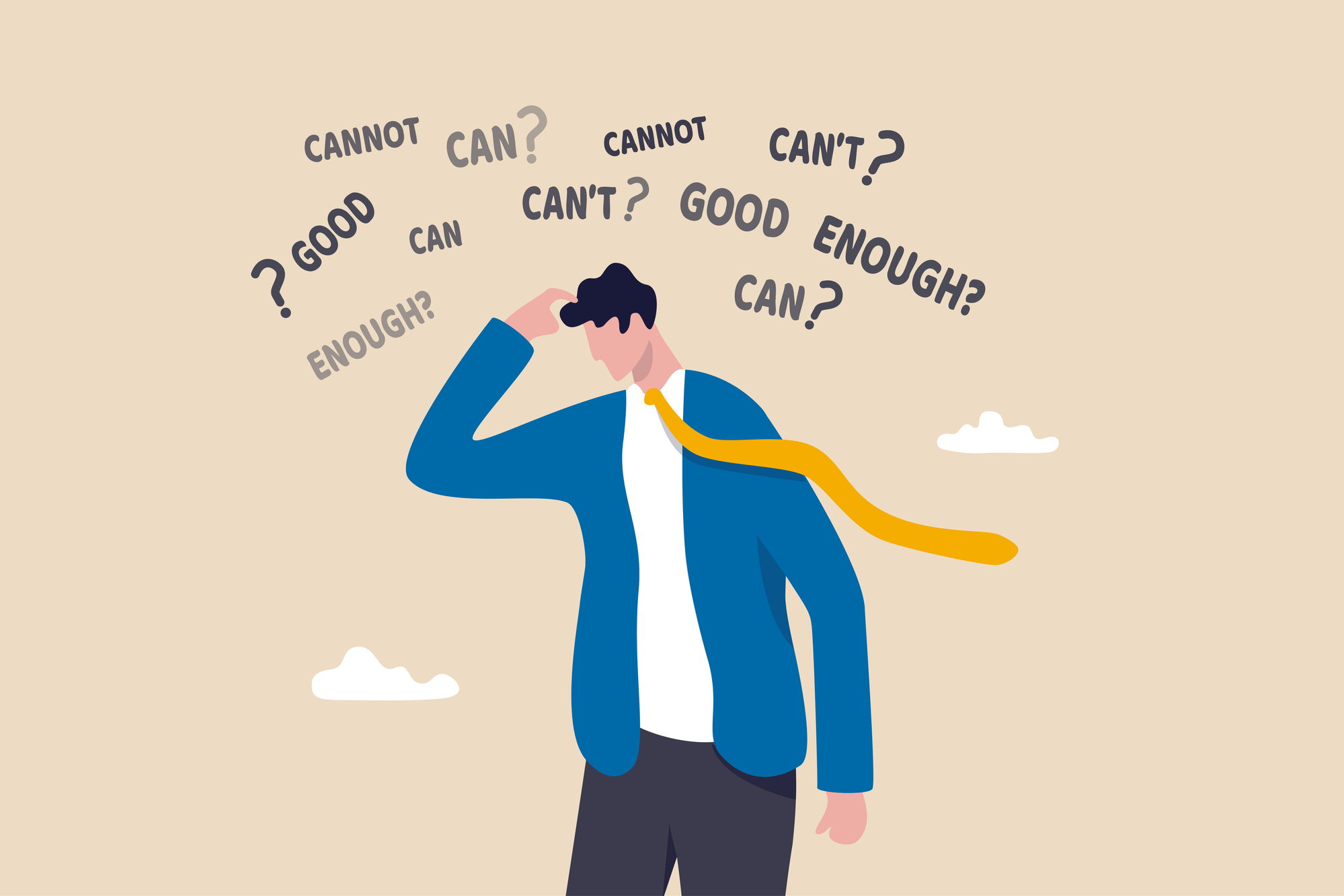
Imposter phenomenon is the persistent belief that you are not as capable as others think, despite objective achievements. In Australian offices it often appears among new managers, first-generation professionals, and staff after promotion. Behavioural signs include overworking to “prove” worth, avoiding visibility, and dismissing praise as politeness.
Psychologists Clance and Imes, who named the pattern in 1978, noted it affects high achievers disproportionately. Cognitive reframing helps: separate feelings from facts. List three pieces of evidence for your competence before each weekly review. Share work-in-progress earlier—perfectionism fuels imposter loops.
Mentorship normalises doubt. Ask a trusted senior how they handled their first leadership quarter; you will often hear similar stories. Peer groups reduce isolation more than solo positive affirmations.

Chronic fatigue that rest does not fix. Weekend sleep fails to restore you. Coffee stops working. Track sleep hours and quality for two weeks.
Detached or sarcastic tone about work you once valued. Irritability with colleagues. Notice if every meeting feels pointless.
Tasks take longer; mistakes increase. You question whether you make a difference. Compare to baseline six months ago, not an ideal self.
The WHO recognises burnout as an occupational phenomenon linked to chronic workplace stress—not a personal failing. Organisational fixes (realistic deadlines, staffing, role clarity) must accompany individual recovery tactics.
Employers in Australia must manage psychosocial hazards. If workload is the primary driver of burnout, individual breathing exercises are insufficient—document concerns through WHS or HR channels. Anti-stress programs should never blame staff for systemic overload. Confidentiality applies to any disclosure of mental health status.
When to seek help: If low mood, hopelessness, or exhaustion persist beyond two weeks and affect daily function, contact your GP or call Lifeline on 13 11 14 (Australia).
No. Imposter feelings centre on self-doubt about competence; burnout is exhaustion from prolonged strain. They can coexist but need different strategies—evidence logs for imposter thoughts, workload and recovery changes for burnout.
Share what you are comfortable sharing. Focus on workload adjustments and priorities rather than diagnostic labels unless you choose to. HR and EAP can support confidential conversations.