
Colour, aromatherapy, and sound—and what research says about stress physiology.
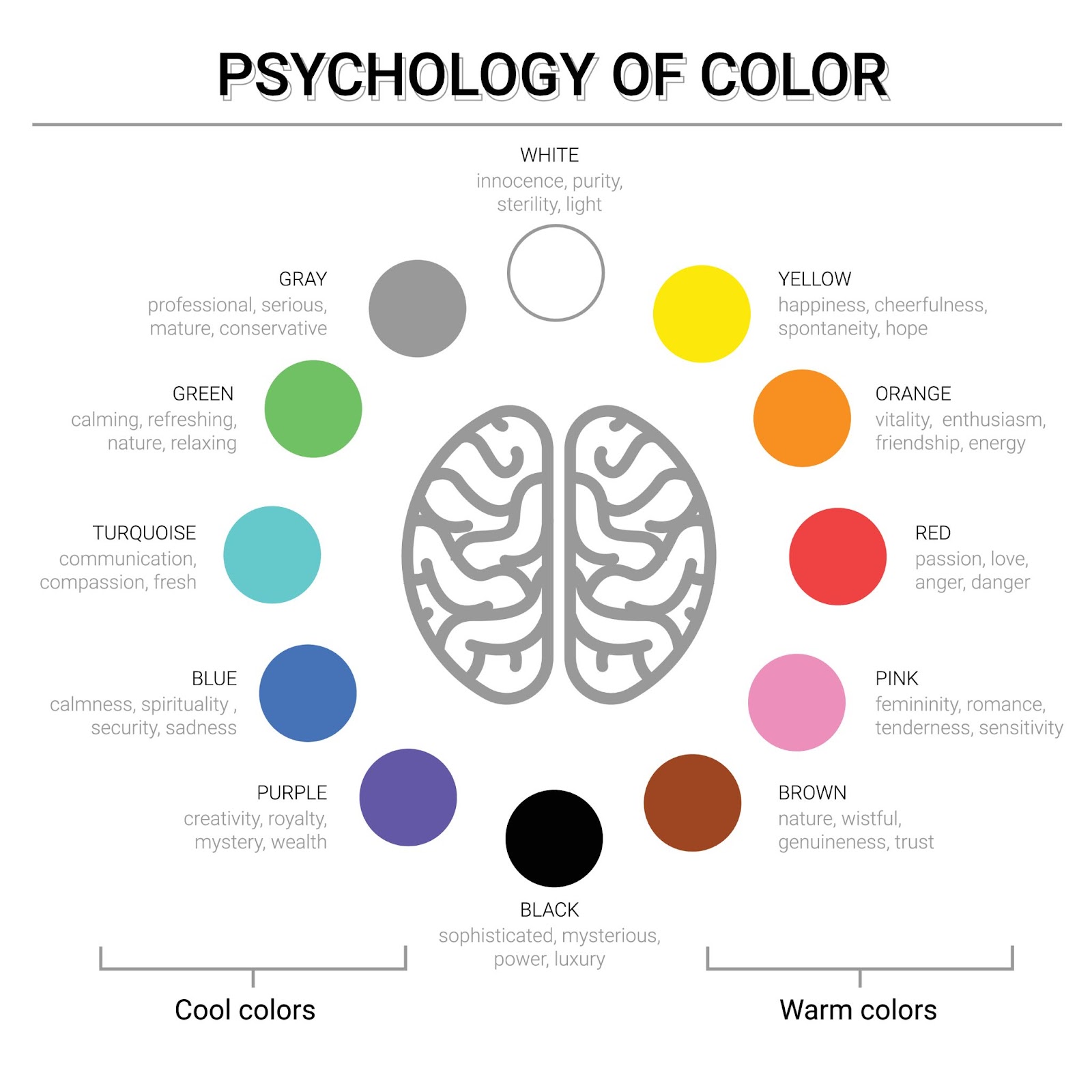
Colour influences mood through association and visual comfort, not magic. Soft greens—like sage #B8CABA—often appear in wellbeing-focused fit-outs because they echo nature and reduce visual harshness compared with pure white walls. Blue tones are linked in some studies to calm appraisal; red accents may increase arousal—useful for creative brainstorm walls, less so for error-checking tasks.
Personal control matters: allow desk plants, warm desk lamps, and monitor night modes. Glare and blue-heavy screens at night disrupt circadian rhythm, indirectly affecting cortisol patterns tied to sleep. Fix lighting before repainting entire floors.
Neurodivergent colleagues may prefer lower saturation or predictable layouts—consult team preferences rather than applying one “calm palette” universally.
Essential oils—lavender, bergamot, peppermint—are studied for subjective relaxation in controlled settings. In shared offices, diffusion affects everyone. Australian WHS scent policies often require fragrance-free meeting rooms. Personal inhalers or a single drop on a cotton ball at your desk may be acceptable where policy allows; open diffusers in open-plan space are frequently discouraged.
Cortisol is a hormone elevated by perceived threat, poor sleep, and acute stress—not by missing a specific scent. Aromatherapy may support ritual and pleasant association, which can lower subjective tension, but claims of dramatic hormonal change from ambient scent alone are overstated in marketing copy.
Open-plan noise—conversation, printers, HVAC—raises annoyance and can increase stress markers during demanding tasks. Mitigations: acoustic panels, carpet, designated quiet hours, and personal headphones with pink noise. Nature sound recordings sometimes improve subjective focus for routine data entry; lyric-heavy music often impairs reading comprehension.
Cortisol follows circadian rhythm—highest morning, lower evening. Chronic workplace stress can flatten or dysregulate patterns visible in salivary tests in research labs; you cannot “measure calm” by scent alone. Holistic approaches combine sleep, movement, social support, and workload fairness.
Protect hearing: keep volume below conversational level; take headphone-free breaks.
Document scent and noise complaints through WHS channels. Provide adjustable lighting where feasible. Ensure aromatherapy products are stored safely—some oils are flammable or toxic if ingested. Sensory adjustments complement but do not replace fair workload and psychological safety.
Colour may affect mood and comfort; cortisol is influenced by many factors including sleep and stress load. Use colour as one part of a broader wellbeing approach.
Some people find peppermint alerting; others find it irritating. Test personally in a ventilated space and respect colleagues’ sensitivities.